How LCD Modules Power the Next Generation of In-Store Retail Media Networks
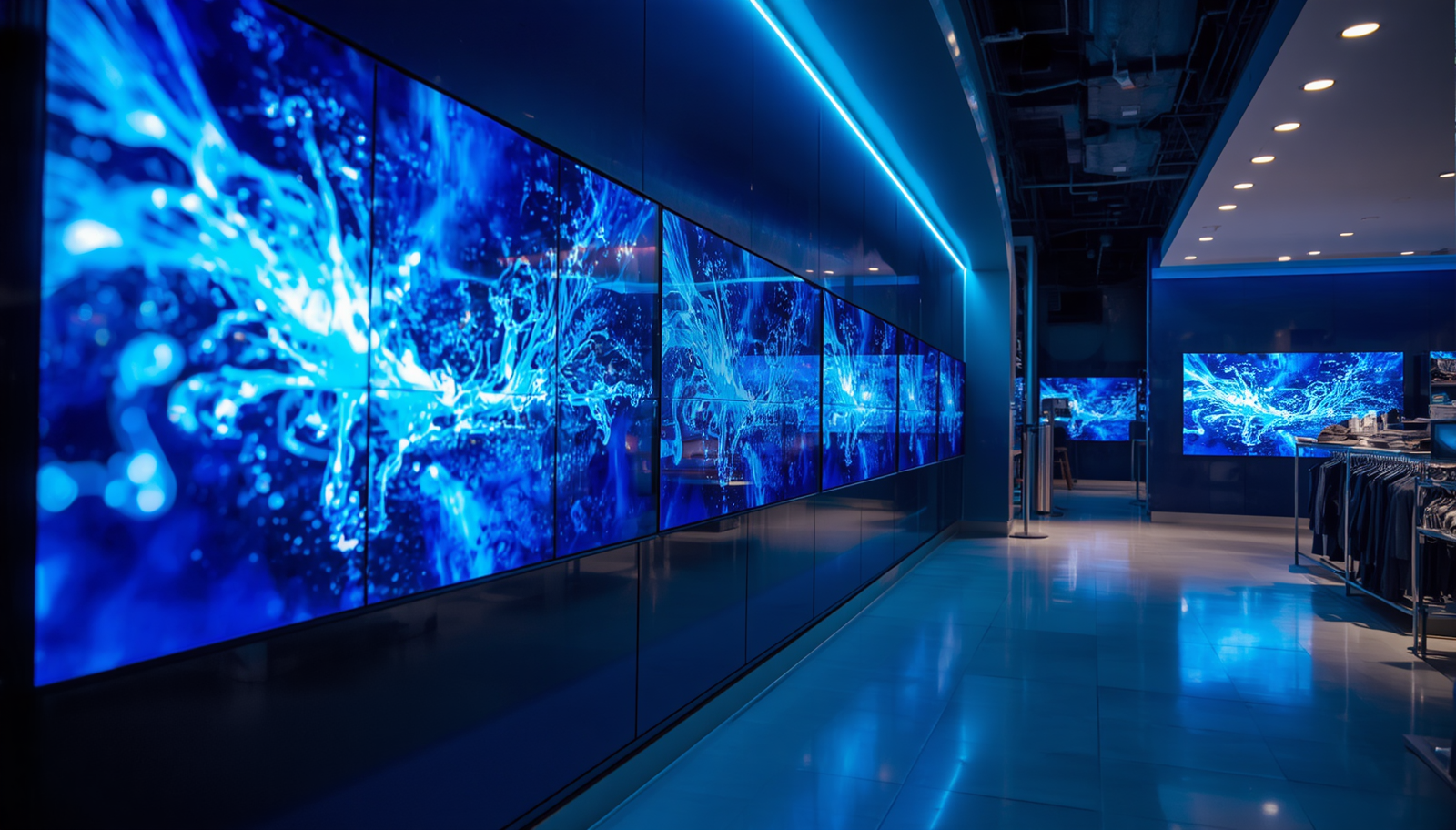
Why Retail Media Networks Demand a New Class of Display Hardware
In-store retail media networks have moved from experimental digital signage to a core revenue channel for retailers and a critical brand engagement tool for advertisers. These networks now power everything from promotional endcaps to dynamic menu boards and interactive wayfinding kiosks. As the market matures, hardware engineers and procurement directors are discovering that consumer-grade displays simply cannot withstand the operational rigors of a retail environment.
The shift is driven by two converging trends. First, retailers are demanding longer operational hours—many stores now run displays 16 to 24 hours a day, seven days a week. Second, the content itself has become more sophisticated, requiring higher brightness to compete with ambient store lighting and wider viewing angles to capture foot traffic from multiple directions.
For a digital signage LCD module, this means the panel must deliver consistent performance under thermal stress, maintain color accuracy over thousands of hours, and support the interface protocols that enable centralized content management.
For OEMs building the next generation of retail media players, the LCD module selection is no longer a commodity decision. It is a strategic choice that directly impacts total cost of ownership, customer satisfaction, and the scalability of the network itself. Understanding the technical specifications that separate industrial-grade panels from their commercial counterparts is essential.
Key LCD Specifications for Retail Signage: 24/7 Operation, High Brightness, and Wide Temperature Range
When evaluating a display for a retail media network, three specifications rise above the rest: brightness, thermal tolerance, and operational longevity. Each has direct implications for how the display performs in real-world store environments.
High Brightness LCD for Ambient Light Rejection
A standard office monitor operates at roughly 250 to 350 nits of brightness. In a retail environment, especially near windows or under direct overhead lighting, that level is woefully inadequate. A high brightness LCD panel rated at 700 to 1500 nits or more ensures that content remains legible and vibrant even in challenging lighting conditions. This is not just about visibility—it directly impacts advertising effectiveness. Studies consistently show that brighter displays command more shopper attention and drive higher recall rates for promoted products.
Wide Temperature Range for Unattended Operation
Retail spaces experience temperature fluctuations that can be surprisingly extreme, particularly in vestibules, near exterior doors, or in non-climate-controlled storage areas. An industrial LCD panel designed for a -20°C to +70°C operating range will maintain reliable startup and stable image quality where a standard panel would fail. This is especially critical for networks deployed in regions with seasonal extremes or in stores that reduce HVAC usage during off-hours.
24/7 Reliability and Backlight Lifetime
The backlight is the most failure-prone component in any LCD module. For retail media networks, where displays may run continuously, the backlight’s rated lifetime—typically expressed as hours to 50% brightness degradation (L50)—becomes a key procurement metric. Industrial-grade modules often feature LED backlights rated for 50,000 to 100,000 hours of continuous operation. Combined with robust thermal management, this ensures that the display remains bright and uniform for years rather than months.
Aspect Ratio and Form Factor Flexibility
Retail media networks increasingly demand non-standard aspect ratios. While 16:9 remains common for video content, many in-store applications benefit from taller 9:16 portrait displays or ultra-wide 21:9 panels for shelf-edge and aisle-end signage. A flexible LCD module supplier can provide custom aspect ratios and bezel options that integrate seamlessly with retail fixtures and kiosk enclosures.
Relialink’s Industrial-Grade LCD Modules Tailored for Commercial Displays
Relialink has developed a family of industrial LCD panels specifically engineered for the demands of retail media networks. These modules combine high brightness, wide temperature tolerance, and extended backlight life in form factors that match the most common retail signage configurations.
High Brightness Options for Every Environment
Our high brightness LCD lineup spans from 700 nits for indoor ambient-lit environments to 1500 nits for window-facing and semi-outdoor installations. Each module uses advanced LED backlight arrays with optical films optimized for uniform luminance across the entire active area. This ensures that bright spots or edge shadows do not distract from the advertising content.
Industrial-Grade Thermal Design
Relialink modules incorporate aluminum chassis and thermal interface materials that effectively dissipate heat from the LED backlights and driver ICs. This passive thermal management allows the display to maintain consistent brightness and color accuracy even when operating continuously in enclosed kiosk environments. For extreme applications, we offer integrated cooling options that further extend operational life.
Interface Compatibility for Modern Media Players
Every Relialink commercial display module supports LVDS, eDP, and V-by-One interfaces, ensuring compatibility with the most common digital signage media players and system-on-module boards. We also provide pre-configured timing controller settings for popular resolutions including Full HD (1920x1080) and 4K UHD (3840x2160), simplifying the integration process for OEMs.
Comparing LCD vs OLED and ePaper in Retail Media Applications
While LCD remains the dominant technology for retail media networks, it is worth understanding how it compares to emerging alternatives.
LCD vs OLED
OLED panels offer perfect black levels and infinite contrast ratios, which can produce stunning visual impact for high-end retail displays. However, OLEDs suffer from two critical drawbacks in 24/7 retail environments: burn-in risk and limited brightness. Static content like menu boards or promotional logos can permanently degrade the organic pixels within months. Additionally, OLED peak brightness typically maxes out around 400 to 600 nits, making them less suitable for bright retail spaces.
For most in-store media networks, a high brightness LCD remains the more practical and cost-effective choice.
LCD vs ePaper
ePaper displays consume power only when updating content, making them attractive for battery-powered or low-power shelf-edge labels. However, their slow refresh rates and limited color gamut make them unsuitable for video or animated advertising content. For dynamic retail media networks that show video loops, countdown timers, and interactive elements, LCD is the only viable option today.
The bottom line: for the vast majority of retail media deployments, an industrial-grade LCD module offers the best balance of brightness, reliability, and total cost of ownership.
Real-World Deployment Tips: Interfaces, Longevity, and Remote Monitoring Readiness
Selecting the right LCD module is only half the equation. Successful deployment requires attention to integration details that affect long-term performance.
Choose the Right Interface for Your Media Player
LVDS is the most widely supported interface for industrial LCD panels, but it requires careful attention to cable length and signal integrity. For runs longer than 30 centimeters, consider eDP or V-by-One, which support higher data rates and longer cable distances without signal degradation. Always verify that your media player’s output interface matches the panel’s input requirements—this is a common source of integration delays.
Plan for Backlight Longevity
Even the best industrial LCD panel will eventually experience backlight degradation. Design your enclosure to allow for future module replacement without requiring full kiosk disassembly. Some Relialink modules support external backlight drivers, enabling you to replace the driver board separately from the panel, reducing service costs.
Enable Remote Monitoring from Day One
The most efficient retail media networks incorporate remote monitoring capabilities that report panel temperature, backlight hours, and fault conditions. Choose an LCD module that provides accessible diagnostic signals—Relialink modules include I²C-based monitoring interfaces that integrate with standard industrial IoT platforms. This allows your operations team to proactively schedule maintenance before a display failure impacts revenue.
Are you evaluating LCD modules for an upcoming retail media network deployment? Contact Relialink today to discuss your brightness, interface, and form factor requirements. Our engineering team can provide sample modules and integration support to accelerate your development timeline.
Related Reading
- LCD vs OLED for Retail Digital Signage: Why Commercial Displays Still Choose LCD — the head-to-head technology comparison behind the retail choice.
- Why Retail Is Betting Big on LCD Digital Displays: Insights for 2024 — the shopper-behavior and ROI trends driving network rollouts.