LG Display OLED Display LCD: Complete Overview
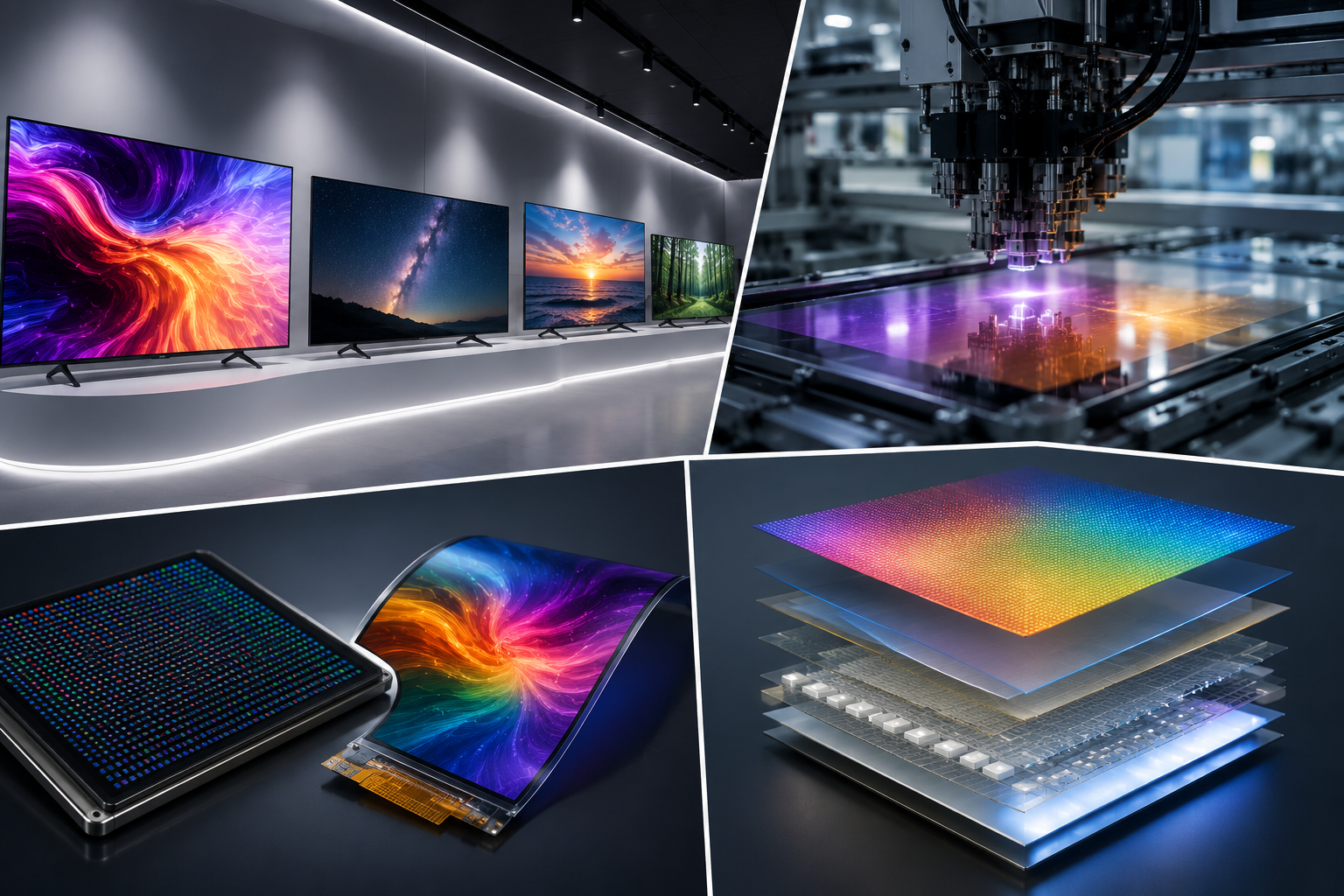
Explore LG Display’s OLED and LCD strategy shifts, what they mean for B2B buyers, and how to secure reliable display supply in a changing market.
Why LG Display’s Strategic Pivot Matters to Your Supply Chain
If you are sourcing display modules for industrial, medical, or automotive applications, the recent legal and strategic maneuvers by LG Display are not just headline news — they are a signal. The company’s ongoing bet on US courts is starting to reshape the competitive landscape, and industry reports suggest we are entering a period of realignment for both OLED and LCD production capacity.
For procurement directors and product managers, this means one thing: the display supply chain you relied on two years ago may look very different in the next two. Understanding the nuances of LG Display’s OLED and LCD portfolio is no longer optional homework; it is a prerequisite for de-risking your next product launch. This overview breaks down what is happening, why it matters, and how you can navigate the procurement landscape with confidence.
Decoding the Landscape: LG OLED Display vs. LG LCD
Before diving into market shifts, it is critical to clarify the technology split within LG Display’s portfolio. The terms “LG OLED display” and “LG LCD” are often conflated, but they represent distinct product lines with different lifecycles and application fits.
The Premium Push: LG OLED Display Technology
LG Display remains the dominant force in large-size OLED panels, particularly for premium television and high-end monitor applications. The technology offers exceptional contrast ratios, true blacks, and rapid response times that LCD cannot match.
However, from a B2B perspective, the LG OLED display line is not a universal solution. While it excels in consumer entertainment and high-end digital signage, its adoption in industrial or medical devices is often limited by:
- Burn-in risk: Static imagery can cause permanent retention.
- Cost per square inch: Significantly higher than LCD.
- Brightness longevity: Typically lower sustained brightness than industrial LCDs.
The Workhorse: LG LCD Technology
Despite the OLED hype, LG LCD (IPS and VA panels) continues to serve as the backbone for a vast array of B2B applications. From point-of-sale terminals to in-vehicle infotainment and patient monitoring equipment, LG LCD technology remains the default choice for reliability and cost-efficiency.
The crucial distinction here is that while LG Display is shifting its internal focus toward OLED, the demand for high-quality LCDs from other manufacturers remains robust. This divergence between corporate strategy and market demand creates opportunities for alternative suppliers.
The Current Industry Context: Legal Wins and Capacity Shifts
The reference point for this analysis is LG Display’s recent legal strategy. The company has been leveraging US courts to challenge competitors and protect its OLED intellectual property. According to industry analysts, these moves are beginning to pay off, potentially limiting the ability of rival manufacturers to flood the market with lower-cost OLED panels.
What This Means for OLED Supply
If LG Display successfully enforces certain patents, we could see a tightening of OLED panel supply from non-LG sources. This could stabilize pricing for LG OLED display modules but may also push some buyers to seek alternatives if they cannot absorb the premium.
The LCD Exodus and the “Sunset” Effect
Simultaneously, LG Display has been gradually reducing its LCD production footprint in Korea, shifting focus to OLED. This “sunset” strategy is not unique to LG; it is an industry-wide trend. However, it has a direct consequence for B2B buyers: the pool of primary-source LG LCD panels is shrinking.
This does not mean LCD is dying. On the contrary, it means the market is consolidating around specialized LCD manufacturers who treat industrial and medical-grade LCD as their core competency, rather than a legacy product.
Implications for B2B Display Procurement
For the hardware engineer or procurement director, the LG Display pivot creates a specific set of challenges and opportunities that require immediate attention.
1. Longevity and Obsolescence Risk
When a giant like LG shifts focus, the risk of panel obsolescence for existing designs increases. If your current design uses a specific LG LCD model, you must verify the End-of-Life (EOL) timeline. The last thing you want is a mid-production run where your display is suddenly discontinued.
2. The Component vs. Module Dilemma
Many buyers source directly from panel makers like LG. However, as LG prioritizes OLED for consumer markets, lead times for small-to-medium LCDs may extend. This is where the value proposition of a module manufacturer (like Relialink) becomes clear. We absorb the panel sourcing risk and provide the value-added integration (backlights, touch panels, interface boards) that raw panel buyers often underestimate.
3. Quality Assurance in a Shifting Market
When primary suppliers pivot, secondary suppliers often scramble to fill the void. This can lead to a flood of “compatible” panels of varying quality. Industry data suggests that counterfeit and “white-label” LCDs are on the rise when major brands reduce output. This makes rigorous supplier qualification more critical than ever.
How Relialink Bridges the Gap in a Volatile Market
This is where our role as a display manufacturer becomes directly relevant to your bottom line. We are not a broker flipping LG panels; we are an engineering partner who designs and builds custom LCD modules.
Leveraging the Best of Both Technologies
- For OLED Needs: If your application truly requires the performance of an OLED display, we can integrate high-reliability OLED panels into custom modules, ensuring proper driver circuitry and thermal management that raw panels often lack.
- For LCD Needs: We provide a stable alternative to the shrinking LG LCD supply. By utilizing high-reliability TFT and IPS panels from specialized industrial fabs, we ensure your product has a longer lifecycle and consistent availability.
Mitigating the “LG Risk”
Our sourcing strategy is designed to prevent single-point-of-failure. If an LG panel goes EOL or becomes cost-prohibitive due to their OLED focus, we have drop-in alternatives or can redesign the module interface to accommodate a different panel without changing your mechanical housing.
Engineering Support You Don’t Get from a Panel Maker
When you buy a raw LG LCD, you are on your own for the backlight driver, the FPC connector, and the optical bonding. When you work with Relialink, you get engineering consultation on viewing angles, sunlight readability, and operating temperature ranges — the factors that actually determine whether your device survives in the field.
Actionable Next Steps: Your Display Selection Criteria
If you are currently evaluating “LG OLED display” or “LG LCD” options for an upcoming project, do not make the decision based on brand loyalty alone. Use the following criteria to guide your procurement strategy.
1. Define the Application Environment
- Indoor/Consumer: OLED may be acceptable if burn-in is not a risk.
- Industrial/Outdoor: High-brightness LCD (1000+ nits) is usually the safer, more cost-effective choice.
- Medical: Look for partners who understand IEC 60601 compliance and EMC shielding.
2. Demand a Lifecycle Commitment
Ask potential suppliers: “What is your guaranteed availability for this panel?” A reputable module manufacturer should offer at least a 3-5 year supply guarantee, something a panel maker focused on consumer OLEDs is unlikely to provide.
3. Request Cross-Reference Options
Do not accept a single-source quote. Insist on seeing the “second source” option. If a supplier cannot offer an alternative to an LG LCD, they are simply a distributor, not a manufacturing partner.
4. Evaluate Optical Performance, Not Just Resolution
For B2B applications, contrast ratio and viewing angle stability matter more than pixel density. Ensure your supplier provides detailed optical specifications and test data, not just a datasheet copy-pasted from the panel maker.
Final Thoughts on Navigating the Shift
The display industry is in a state of flux. LG Display’s legal victories and strategic focus on OLED are reshaping the market, but they do not dictate your engineering choices. While the “LG OLED display” brand carries prestige, and “LG LCD” carries a legacy of reliability, the smartest procurement strategy is one that prioritizes supply security and application fit over brand preference.
The market is moving toward specialization. To succeed, you need a partner who understands the nuances of both OLED and LCD technologies and can guide you to the right solution based on data, not hype.
Ready to secure your display supply chain against market volatility? Contact Relialink today to discuss your project requirements. Our engineering team will help you evaluate whether an OLED or LCD solution is the right fit, and we will provide a custom quote with guaranteed lifecycle support.
Related Reading
Supplier profile series: JDI Display Fab: Complete Overview · Samsung Display IT AMOLED IT OLED: Complete Overview · Visionox AMOLED: Complete Overview · Samsung Display Direct-emission OLED Microdisplay: Complete Overview